Negative space and composition words for AI images: what to say instead of "nice background"
Rule of thirds, headroom, leading space, empty sky: the words photographers use for calm, balanced frames, with prompts to copy and the cases where they fail.
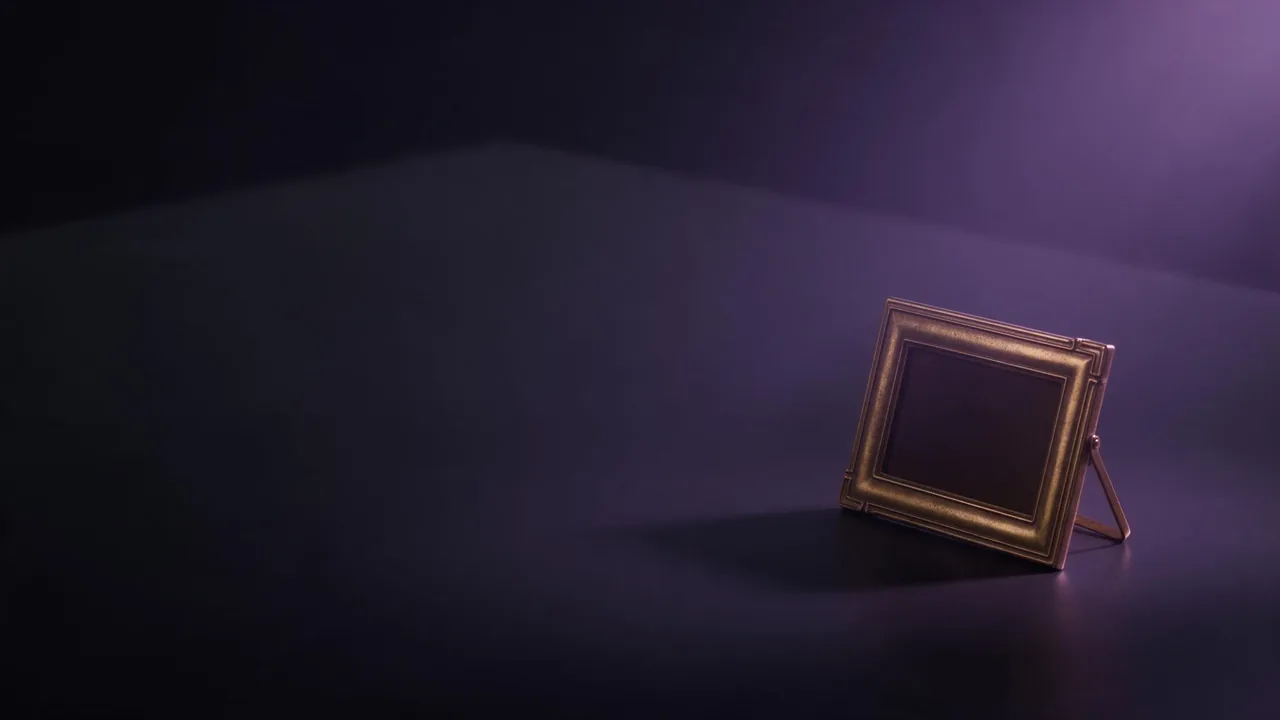
Ask for "a nice background" and you get the model's average idea of one: a bit of bokeh, a tree, a building, something in every corner. The phrase says nothing about where the eye should rest. Photographers solve this with a small vocabulary for the parts of a frame, and image models have read a great deal of text written with exactly those words. This post is that vocabulary, and how to use it to ask for calm, empty areas on purpose.
It is a different job from planning room for a headline, which the post on leaving space for text covers. Here there is no copy to place. You want a picture that simply feels composed, and you want to steer it with words instead of luck.
Negative space is a thing you describe, not a thing you leave out
Negative space is the empty area around and between subjects. A model never sees it as absence; it fills a blank with content. So you name the emptiness as if it were an object: what it is, how much of the frame it takes, and what it looks like. Compare "empty background" with "the top two thirds of the frame is a smooth, pale grey sky". The second one can be drawn. It is also the opposite of an exclusion list, which is the subject of the negative prompts post: there you remove things, here you describe a quiet region and let it exist.
The words worth knowing
- Rule of thirds: the subject sits near a line or crossing of an imagined 3 by 3 grid, not in the centre. Say "placed on the left third line" or "in the lower right third".
- Headroom: the gap above a person's or animal's head. "A little headroom" is a comfortable portrait; "generous headroom" gives a small figure under a big sky.
- Leading space (also called nose room): the open area in the direction the subject faces or moves. "A cyclist riding left, with open road ahead of them on the left" feels natural; the same cyclist pressed against the left edge feels trapped.
- Empty sky, empty floor, open water: name the surface that carries the calm. A surface with a name is easier to keep plain than a gap with none.
- Balance: a small subject can offset a large quiet area. "A single tree at the right third, balanced by a wide empty field" is a classic.
- Framing words: "wide shot", "subject small in the frame", "tight crop", "centred", "off-centre", "low angle". They decide how much of the picture the subject takes, and so how much is left over.
- Frame within a frame: a doorway, window or arch around the subject, which gives the picture a natural border and a calm centre.
Four prompts to copy and adapt
A lone red kayak on still water, placed on the lower left third line, the upper two thirds of the frame is a smooth, soft grey-blue sky with no clouds, calm open water to the right, wide shot, 16:9Portrait of an elderly man in a wool coat on a bare hillside, looking to the right, generous headroom, open grass and pale sky to the right of his face, soft overcast light, 4:5A single wooden chair in the centre of a large bright room, plain white walls, plain pale floor, lots of empty floor around the chair, even daylight, symmetrical, wide shotA narrow stone archway framing a distant lighthouse, the lighthouse small in the lower right of the opening, the rest of the view is empty pale sea and sky, low angleHow to ask for calm, not just empty
An area can be empty and still noisy: a sky full of texture, a floor with a pattern. Add one or two words about its character: smooth, plain, evenly lit, soft gradient, matte, hazy. Light matters as much as layout, and the cinematic lighting words apply here too: flat, even light keeps a region quiet, while hard side light carves texture into it. If you care about its colour, name it once and leave it at that.
The frame decides how much room you can ask for
Leading space needs width, headroom needs height. A tall frame is hard for a wide open landscape; a wide frame is hard for a lot of sky above a standing figure. Pick the shape first: the aspect ratio guide shows what each one suits, and the price does not change with the frame.
When it fails
- The model centres everything. Centred is the most common composition in its training pictures. Make the subject smaller ("small in the frame") and repeat the position once; a large subject has no room to move off-centre.
- The empty area fills up. Clouds, birds, a distant boat, a stray lamp. Add the surface words (plain, smooth, no clouds) and re-roll before you rewrite the prompt.
- Thirds are approximate. The studio cannot place anything at an exact pixel or on a true grid. Position words steer a subject toward a third; they do not measure it.
- Faces and edges. Prompts with a person against a large plain area sometimes crop the figure oddly at the frame edge. Ask for a wide shot or more headroom, or leave a little more margin than you want and crop afterwards.
- Mixed instructions fight. "Symmetrical" and "rule of thirds" in one prompt pull in opposite directions. Pick one.
A cheap way to find the right words
Composition wording is easy to test, because the subject can stay the same while one phrase changes. Run drafts on Still Lite, from €0.30 a render, with only the position phrase different each time (left third, right third, centred, small in the frame). Choose the draft whose empty area feels right, then finish on Still, from €0.40, with the same prompt. Keep a note of the phrases that worked; they carry over to the next subject. Models differ in how literally they follow position words, so if one ignores you, try another on the models page.
Open the studio, pick the frame, and write the position and the quiet area into the first sentence.
Questions
What can I say instead of "nice background"?
Name the surface and its character, for example a smooth pale grey sky filling the top two thirds, or plain white walls with open floor. Say where the subject sits, such as the lower left third.
What is the difference between headroom and leading space?
Headroom is the gap above a subject's head. Leading space is the open area in the direction a subject faces or moves. Asking for both makes a portrait or a moving subject feel comfortable in the frame.
Why does the subject keep ending up in the middle?
Centred pictures are the most common in training data. Make the subject small in the frame, state its position once, and keep the wording consistent so the prompt does not ask for symmetry and thirds together.
Can I get an exact rule-of-thirds placement?
Not exactly. Position words steer the subject toward a third, but the studio cannot place it on a precise grid line, so choose the best of a few drafts.